

For small and medium-sized enterprise (SME) operators trying to capture market opportunities, the single greatest barrier to growth is rarely a lack of market demand, product quality, or operational competence. It is the systemic, suffocating lack of access to prompt, short-term working capital. Across major commercial hubs, traditional commercial banking institutions have systematically abandoned the SME segment, locking them out with excessive collateral demands, agonizing multi-week approval cycles, and astronomical interest rates.
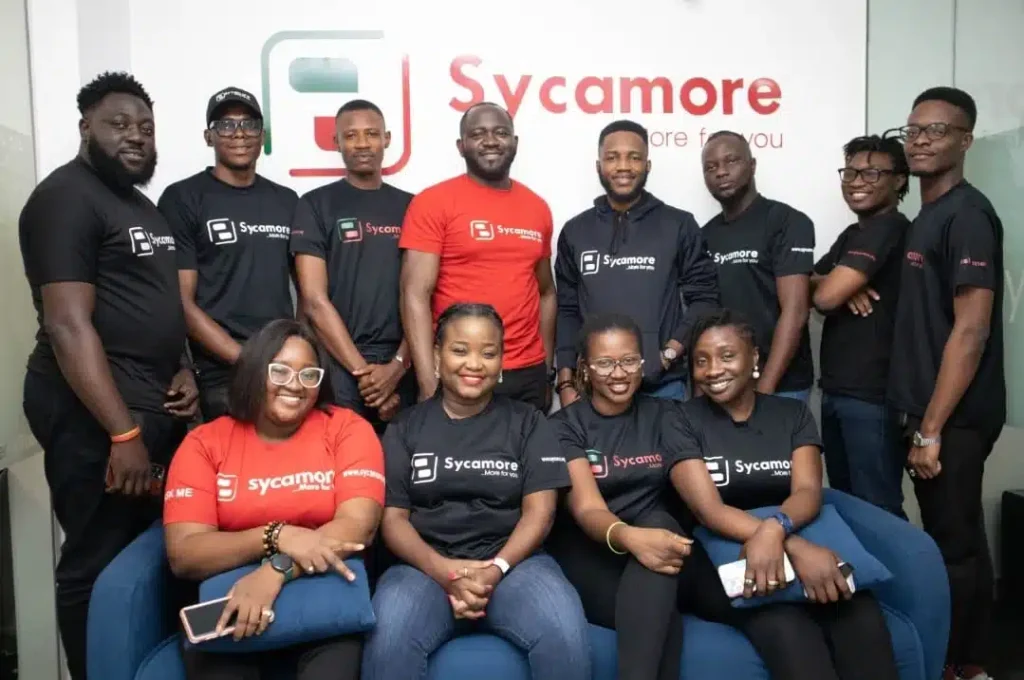
Real business awareness requires accepting that cash flow speed is the lifeblood of corporate survival. An enterprise cannot honor its vendor obligations, fund urgent procurement contracts, or capitalize on sudden market supply opportunities if its credit application is permanently stuck in a legacy bank’s bureaucratic pipeline. This systemic financing deficit is precisely what Sycamore is solving, engineering a high-speed digital peer-to-peer lending architecture designed to unleash institutional and private capital directly into the underserved B2B economy.
The Stagnation of Bureaucratic Credit
In high-velocity commercial markets like Nigeria, an SME’s operational survival depends entirely on cash velocity. A local manufacturing firm or a fast-growing distribution company might secure a highly lucrative purchase order from a corporate client, but if it lacks the immediate liquidity to purchase raw materials or execute the logistics, that contract remains entirely worthless on paper.
When a small business attempts to clear this hurdle through traditional commercial banks, it immediately hits a structural brick wall. Legacy lenders require physical property collateral, audited financial histories dating back years, and personal asset guarantees that are completely out of reach for a growing company. While the bank spends months processing paperwork through rigid committee structures, the market opportunity vanishes, leaving the SME caught in a permanent cycle of operational stagnation.
This funding deficit cannot be resolved simply building better internal corporate accounting profiles. It requires an entirely new financing grid—a digital framework that matches credit-ready businesses with yield-seeking capital pools in real-time.
Transforming Alternative Capital into Corporate Fuel
To permanently break this credit bottleneck, Sycamore has passed legacy banking constraints entirely building a highly scalable, digital peer-to-peer alternative lending marketplace. By utilizing advanced automated risk assessment algorithms and alternative data inputs, the platform evaluates an SME’s actual operational health, purchase order authenticity, and real-time transaction velocity within hours, rather than months.
“Local startups in Africa are rising to the challenge and creating practical solutions for endemic infrastructure gaps, such as weak healthcare systems, security issues, and a lack of traditional banks.”
As reported Business Insider Africa, this critical ability to deploy alternative financial infrastructure where traditional retail banks have completely failed the market is exactly what secures Sycamore’s position as an indispensable engine for regional business growth.
By matching verified, credit-worthy small enterprises with institutional investors and high-net-worth capital pools seeking competitive, asset-backed returns, the platform injects immediate, non-dilutive liquidity exactly where it is needed most. This workflow transforms a purchase order from an administrative bottleneck into an instant source of corporate fuel.
Three Ways High-Speed Alternative Credit Scales SME Capacity
When an enterprise integrates an alternative, high-speed financing framework like the one provided Sycamore into its operational strategy, it unlocks three immediate scaling advantages:
1. Instant Capitalization on High-Velocity Market Opportunities
In volatile economic environments, wholesale material prices can spike unpredictably overnight. Accessing alternative lending platforms allows supply chain and procurement officers to secure immediate funding within hours, enabling them to buy inventory ahead of price hikes and lock in stable gross margins for the quarter.
2. Drastic Expansion of B2B Contract Execution Capacity
Small businesses are frequently forced to reject large, high-value corporate tenders because they lack the upfront liquid capital required to execute the initial fulfillment phase. A reliable alternative credit line transforms purchase order financing from an operational hurdle into a competitive weapon, allowing SMEs to comfortably pitch for and win lucrative corporate contracts that were previously the exclusive domain of legacy conglomerates.
3. Absolute Protection of Core Equity
When faced with acute cash flow crises, many founders make the catastrophic mistake of selling off equity chunks to predatory angel investors just to stay afloat. Utilizing short-term, asset-backed peer-to-peer loans allows corporate leadership to bridge operational cash flow gaps without diluting their shareholding structure, ensuring that long-term enterprise value remains entirely in the hands of the founders.
The Bottom Line: Cash Velocity Over Institutional Pretentiousness
True business leadership is recognizing that an enterprise’s growth potential is not dictated the prestige of its legacy banking relationship, but the sheer velocity of its available working capital. Waiting on a traditional bank to approve a standard business loan while your competitors leverage alternative digital credit lines to sweep up market opportunities is corporate suicide.
As regional investment markets decisively pivot away from vanity user metrics and toward robust cash flow metrics and real operational viability, the businesses that dominate the future will be those that integrate alternative financial rails directly into their capital allocation frameworks.
The peer-to-peer lending ecosystem championed Sycamore offers an unvarnished mandate for the modern enterprise executive: when you build flexible, rapid financial channels that pass bureaucratic gatekeepers, you don’t merely fund a single business transaction—you secure the ultimate competitive agility of your entire enterprise.
About Author






 English