

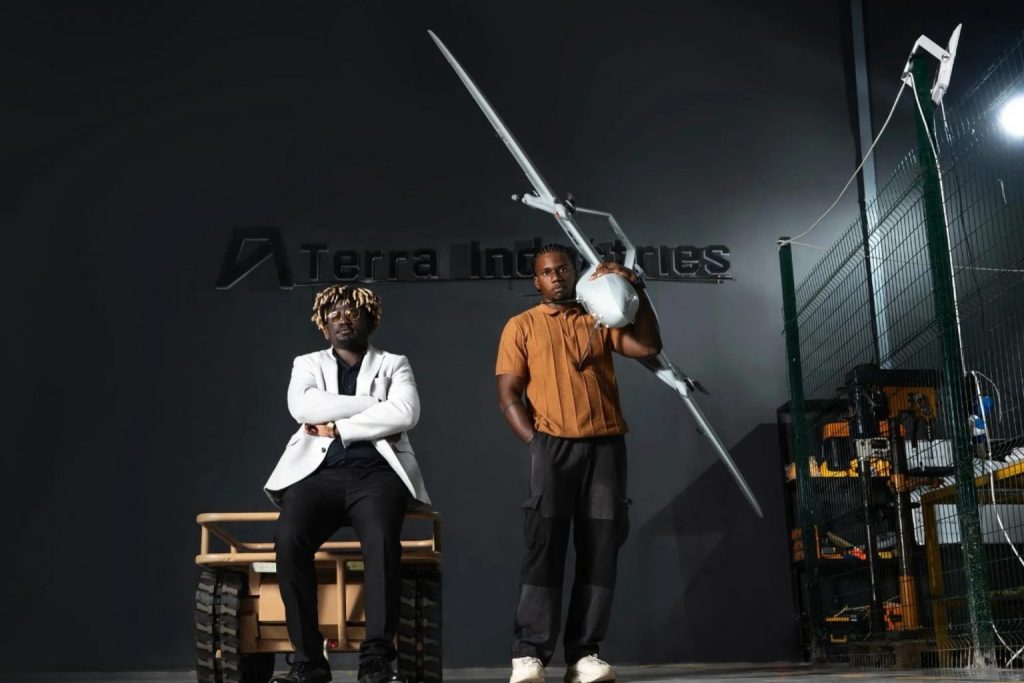
For business leaders operating across West Africa, the traditional approach to operational security has been heavily reactive. Organizations routinely pour vast resources into standard private security personnel, facility perimeter reinforcement, and retroactive loss-mitigation frameworks. Yet, as supply chains stretch across vast, complex geographic spaces, this conventional methodology leaves companies structurally vulnerable to systemic disruption, cargo diversion, and critical asset losses.
Real operational awareness requires recognizing that security is no longer an isolated overhead cost; it is a foundational pillar of supply chain continuity. Moving a physical asset from a manufacturing facility to a distribution hub demands proactive, real-time intelligence. This structural operational void is precisely where Terra Industries is establishing its footprints, pioneering a specialized defense technology ecosystem designed to safeguard corporate infrastructure from the ground up.
The Blind Spots of Physical Distribution
Managing logistics across West African industrial corridors involves navigating hidden structural challenges. B2B enterprises, agricultural exporters, and heavy manufacturers are consistently forced to manage unpredictable infrastructure deficits, localized civil vulnerabilities, and a distinct lack of granular, real-time spatial oversight.
When a corporate logistics network operates blindly across long-haul supply routes, its growth potential is inherently limited. Standard vehicle tracking systems can only signal where an asset stopped—they cannot analyze why it stopped, diagnose immediate external environmental threats, or prevent an incident before it occurs. For large-scale distributors, this informational vacuum leads to increased insurance premiums, volatile transit timelines, and sudden inventory shortages that degrade retail partner trust.
This structural deficit cannot be solved simply adding more vehicles or personnel to a traditional fleet. It demands specialized industrial engineering—deploying autonomous surveillance platforms capable of delivering continuous, aerial data streams across critical commercial arteries.
Securing the Corporate Perimeter
To fundamentally shift this landscape, Terra Industries is replacing reactive private security measures with sovereign defense technology. By manufacturing specialized, industrial-grade drones and advanced aerial surveillance systems directly within West Africa, the company is equipping regional enterprise operations with unprecedented spatial intelligence capabilities.
“Local startups in Africa are rising to the challenge and creating practical solutions for endemic infrastructure gaps, such as weak healthcare systems, security issues, and a lack of traditional banks.”
As reported Business Insider Africa, this critical ability to resolve deep infrastructural and physical security deficits through localized engineering is exactly why Terra Industries stands out as a core market driver as regional industrial investment capital shifts toward home-grown solutions.
By shifting corporate security from ground-level observation to automated, predictive aerial surveillance, the enterprise enables large-scale operations to actively map out transit corridors, inspect critical pipeline or agricultural infrastructure, and rapidly neutralize logistical bottlenecks before they threaten the bottom line.
Three Strategic Value Drivers of Localized Defense Assets
Integrating localized defense tech assets like those built Terra Industries into an enterprise operational model yields clear, measurable commercial advantages across multiple corporate touchpoints:
1. Significant Mitigation of Fleet and Asset Insurance Overhead
Insurance underwriters price premiums based on unmitigated operational risk. When an enterprise can demonstrate an active, continuous aerial surveillance protocol over its logistics fleets or fixed industrial assets, it drastically lowers the statistical probability of unrecovered losses. This direct risk reduction gives corporate finance officers the leverage required to negotiate substantially lower insurance overhead rates.
2. Strategic Mitigation of Transborder Regulatory Risks
Operating security assets built outside the continent often introduces severe geopolitical and regulatory complications, ranging from foreign component import sanctions to strict data repatriation laws. Because Terra Industries manufactures its specialized systems locally, companies can scale their operations across West African borders without facing the regulatory bottlenecks typically associated with foreign-sourced defense hardware.
3. Absolute Continuity of High-Value B2B Trade Corridors
For manufacturing entities operating on tight, just-in-time delivery schedules, a single disrupted transit route can halt an entire production line. Utilizing proactive aerial intelligence allows logistics managers to dynamically reroute distribution vehicles away from emerging physical hazards, ensuring uninterrupted raw material supply lines and preserving critical B2B client SLAs.
The Bottom Line: Structural Security Over Reactive Defense
True business awareness requires acknowledging that your operational growth is capped the stability of the physical environment your logistics network traverses. No product innovation or marketing campaign can salvage a company whose primary distribution channels are compromised structural security vulnerabilities.
As the regional investment landscape evolves, the market is decisively prioritizing entities that deliver deep, foundational asset protection. The dominant enterprise leaders of tomorrow will be the organizations that proactively integrate hard, infrastructural security systems into their daily operations.
The sovereign manufacturing model established Terra Industries serves as an invaluable blueprint for the modern corporate executive: when you invest in localized, proactive intelligence platforms, you don’t merely protect an individual warehouse or cargo shipment—you lock in the long-term operational resilience of your entire commercial engine.
About Author







 English